The Nature of Luck in Gambling
Luck is often portrayed as a capricious force in the world of gambling, where outcomes can seemingly swing from fortune to misfortune in an instant. For many players, luck represents that elusive quality that can turn a losing streak into a winning spree, especially when they explore options like $10 neosurf casino australia . In the casino environment, luck is not merely a personal belief; it often becomes a psychological factor that influences how players approach their games. The thrill of hitting a jackpot or striking a winning hand can create an emotional high, leading players to attribute their success to luck rather than to strategy or skill. This perception of luck can significantly shape the gambling experience.
However, the randomness inherent in games like slot machines and roulette showcases how luck can be a double-edged sword. While luck can lead to monumental wins, it can equally contribute to significant losses. For instance, a player may sit down at a slot machine, believing that their lucky day has arrived, only to leave with empty pockets. This volatility creates a perception that luck can be manipulated or controlled, though it is fundamentally based on chance. It raises an intriguing question: does believing in luck actually influence a player’s performance at the tables, or is it merely a comforting illusion?
The psychological aspect of luck plays a crucial role in the gambling experience. Some players may claim they have a “lucky charm” or perform specific rituals before playing, believing these actions can sway luck in their favor. This phenomenon is known as “superstitious behavior,” which highlights how the mind can influence one’s approach to games of chance. Ultimately, while luck is an essential factor in the outcomes of casino games, the way players perceive and interact with that luck can significantly affect their overall experience, making it a complex interplay of belief and chance.
The Role of Mathematics in Casino Games
While luck is an undeniable component of gambling, mathematics serves as the backbone of casino games, establishing a clear framework within which these games operate. Each game has a predetermined house edge, which mathematically dictates the expected return to the player over time. For example, the odds of winning at blackjack may seem more favorable than at a slot machine, yet both rely heavily on luck and mathematical probabilities. Understanding these odds can help players make informed decisions about where to place their bets, but it does not eliminate the role of luck in influencing individual outcomes.
In games of skill, such as poker, players can utilize mathematical strategies to improve their chances of winning. This includes calculating pot odds or predicting opponents’ hands based on statistical probabilities. Despite this, luck plays a critical role, particularly in shorter sessions where variance can lead to unexpected results. A player might use math to make the best decisions, but if the cards do not fall in their favor, even the most strategic approaches may not guarantee success. This unpredictability is what keeps players returning to the tables, hoping that luck will shine upon them.

Furthermore, the perception of luck can greatly affect players’ emotional and psychological states while gambling. When mathematics supports a player’s decisions, they may feel empowered; yet the constant unpredictability of luck can lead to frustration and disappointment. This intricate interplay between luck and math illustrates that while players can rely on statistical strategies, they must also confront the uncontrollable nature of luck that can change at any moment. This duality makes gambling as much about emotional resilience as it is about mathematical understanding.
The Influence of Environment on Gambling Luck
The environment in which one gambles can also play a significant role in the perception of luck. For example, many players believe that the atmosphere of a casino, combined with surrounding energy and sounds, can impact their luck. The bustling excitement of a room filled with fellow gamblers can create a sense of camaraderie, leading players to feel that they are riding a wave of collective fortune. Conversely, a quiet, less energetic environment may foster feelings of unease or a lack of luck, thereby influencing the overall gambling experience.
Additionally, addiction to rituals, such as choosing specific machines or tables based on personal significance, can also skew the perception of luck among players. These environments may include signs of good fortune, such as witnessing another player’s win or playing during a specific time of day. Players often create narratives around these experiences, believing they can enhance their luck based on the ambiance they are in. These social factors highlight how luck is not merely a personal experience but can also be influenced by the environment surrounding the player, making it a shared phenomenon.
Moreover, the psychological state of a player—shaped by prior experiences and the ambiance of the location—can have a profound effect on their belief in luck. Players who experience a string of wins may feel luckier than those who face losses, leading to higher bets or riskier behavior. This emotional rollercoaster can further complicate the relationship between luck and outcomes, suggesting that environmental elements significantly shape one’s gambling experience. Understanding these influences can help players navigate their emotional responses and expectations while gambling.
The Psychology of Believing in Luck
The psychology behind believing in luck is intricately tied to the human experience, establishing a complex web of thoughts, feelings, and behaviors in gambling. Many players engage in cognitive processes that lead them to attribute outcomes to luck, often disregarding the roles of strategy and probability. This cognitive bias can create a false sense of control, where players feel that their lucky superstitions might somehow influence the outcome of the game. Such beliefs can be comforting, providing players with a sense of agency in an otherwise unpredictable environment.
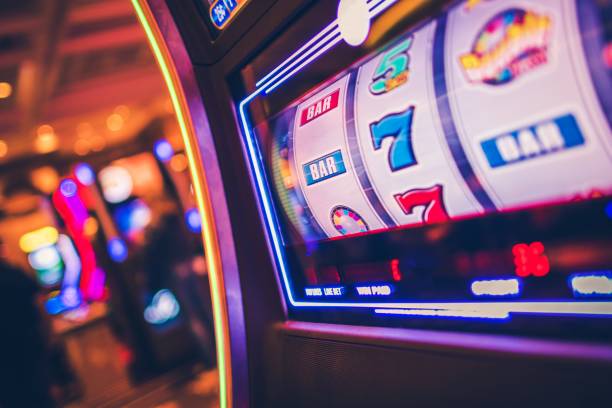
Research has shown that players who believe in luck tend to gamble more frequently and may take on greater risks. This phenomenon can be tied to the concept of “illusion of control,” where individuals overestimate their ability to influence chance. The belief that luck can be influenced through rituals or lucky items often leads to a more engaged gambling experience. These psychological aspects can create a feedback loop, where players’ beliefs in luck affect their actions at the casino, reinforcing their behaviors and potentially leading to more significant losses or gains.
Ultimately, while luck is intertwined with the outcomes of gambling, the psychological need to believe in luck can lead to irrational decision-making and a skewed understanding of risk versus reward. By recognizing the power of the mind in relation to luck, gamblers can foster a healthier relationship with gaming, focusing more on strategy and responsible practices while maintaining a realistic perspective on the role of luck in their outcomes. This awareness can empower players to approach gambling with greater mindfulness and control.
Understanding Real Casino Outcomes
In conclusion, while luck remains a central theme in the narrative of gambling, it’s essential to balance this belief with an understanding of the game’s mechanics and responsible gambling practices. Players must recognize that outcomes in games of chance are largely determined by mathematical probabilities rather than solely by luck. By educating themselves on the odds, strategies, and responsible gaming behaviors, players can better navigate the highs and lows of their gambling experiences, setting themselves up for more sustainable enjoyment.
Evaluating one’s approach to gambling can foster a greater appreciation of the complex interplay between luck and skill. Players who manage their expectations and understand their limits are better equipped to handle the inevitable ups and downs that come with gambling. By embracing this holistic perspective, gamblers can enjoy the thrill of the game while maintaining a realistic view of luck’s influence on their outcomes.
At our website, we aim to provide insightful information and resources for both novice and experienced players. Through articles, strategy guides, and expert analysis, we empower our readers to make informed decisions while enjoying their gaming experiences. A healthy relationship with luck, combined with a thorough understanding of the dynamics of casino games, can lead to a more enriching and enjoyable journey in the world of gambling.